
The first thing most people ask us on the phone is what it's going to cost. It's a fair question, and the honest answer is that it depends on a handful of things we can see during an inspection.
This guide explains what drives wildlife removal cost in Upstate South Carolina, which parts of a quote matter most, and how to compare two quotes without getting burned by the cheap one.
Why there's no flat price for wildlife removal
Wildlife removal cost depends on the animal, how many ways it's getting in, and how much it has damaged. Two houses on the same street can need very different jobs.
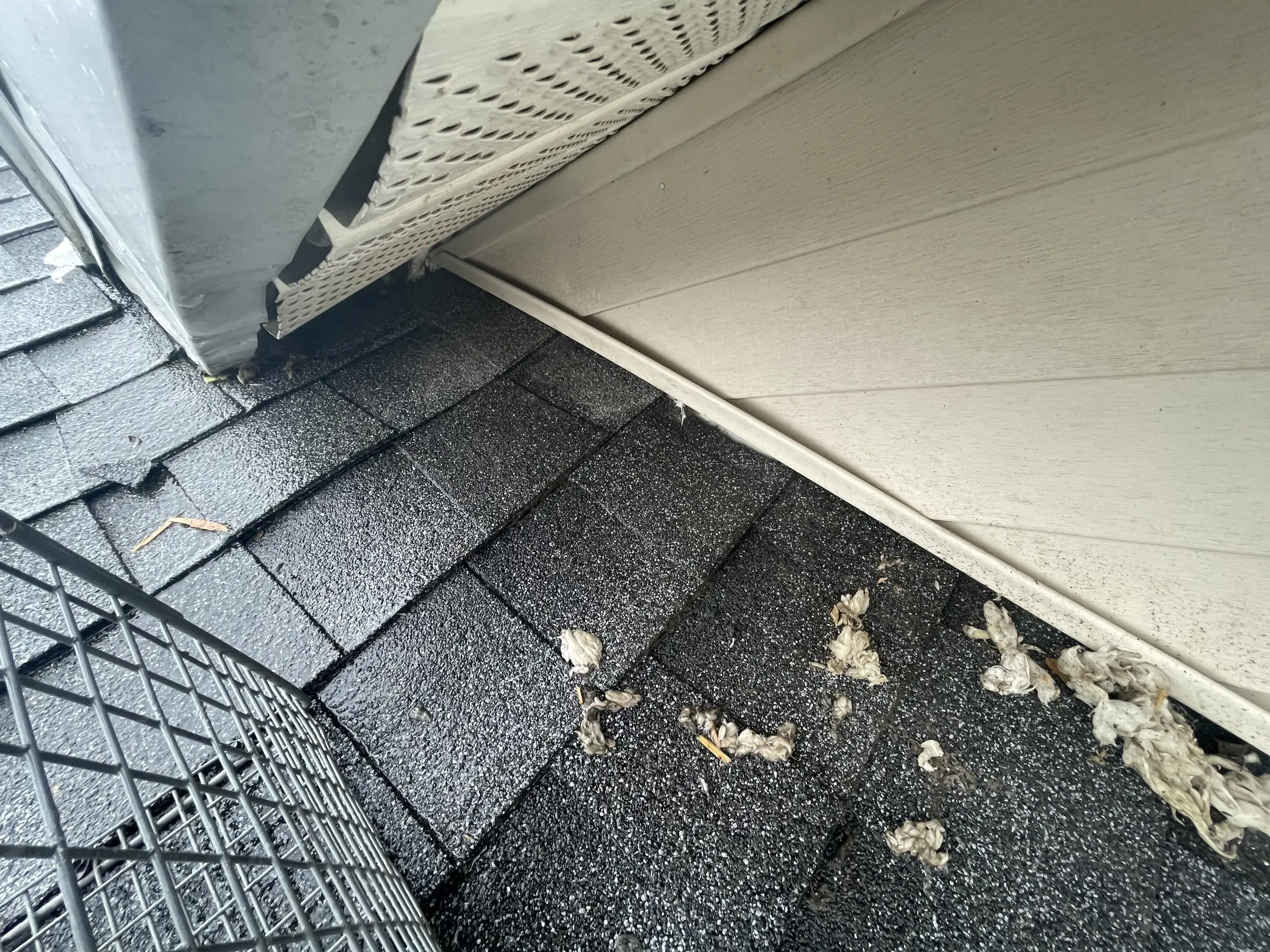
A single squirrel using one gap at a roof return is a small job. A family of raccoons that tore through a soffit and soiled half the attic insulation is a much bigger one. That's why we don't quote over the phone without seeing it.
The five things that drive the cost
Nearly every quote comes down to the same five factors. If you understand them, you can read any quote and see where the money is going.
1. The animal
Different animals take different methods and time. Bats and squirrels usually need one way doors and patient waiting, while raccoons are often trapped.
2. Number of entry points
Every gap has to be sealed, so a house with eight openings costs more to fix than a house with one. This is the part of the job people underestimate most.
3. Roof height and access
A single story ranch is quicker and safer to work on than a steep two story roof. Hard to reach spots take more time and equipment.
4. Damage repair
Chewed fascia, torn vent screens and broken soffit panels all need materials and labor. The more an animal has destroyed, the more there is to rebuild.
5. Cleanup
Soiled insulation sometimes needs to be removed and replaced. That's often the biggest single line on a quote when animals have been living in an attic for months.
Cost factors at a glance
Here's how each factor tends to push a job up or down. We describe it in plain terms because every house is different.
| Factor | Smaller job | Bigger job |
|---|---|---|
| Animal | One squirrel | A family of raccoons or a bat colony |
| Entry points | One obvious gap | Several gaps around the roofline and foundation |
| Access | Single story, low pitch roof | Two story or steep roof |
| Damage | Minor chewing on trim | Torn soffit, chewed wiring, broken vents |
| Cleanup | A few droppings | Soiled insulation across the attic |
| Timing | Caught early | Animals living there for months |
Why waiting costs more
The longer an animal stays, the more the job costs. Every week means more chewing, more droppings in the insulation, and a better chance of babies.
In the Upstate, mild winters mean animals stay active much of the year. A squirrel that moves in during fall can do months of damage by spring. Our post on squirrels in the attic in fall and winter explains why that season is so busy.
How to compare two quotes
The cheapest quote is often the one that leaves out sealing and repairs. Compare what's included, not just the total.
Use this checklist when you have quotes side by side:
- Does it include sealing every entry point, or just the main hole?
- Does it say what materials will be used for the repairs?
- Is damage repair included or quoted separately?
- Is insulation cleanup included if it's needed?
- Is there a warranty on the repairs, and is it in writing?
- Is there a follow up visit to confirm the animal is gone?
A trap and nothing else will look cheaper on paper. It usually costs more over a year, because you end up paying for the same problem twice. Our guide on how to choose a wildlife removal company has more questions worth asking.
Does homeowners insurance cover wildlife damage?
Sometimes, but it depends on your policy and the animal. Many policies treat damage from some animals differently from others, and many don't cover removal itself.
The best move is to call your insurance agent and ask. We can document what we find during the inspection with photos so you have something to show them.
What's usually included in a full job
A full wildlife job includes the inspection, removal, sealing every opening, repairing damage and a follow up check. Anything less leaves a gap somewhere.
Here's what each part covers, so you can match it up against any quote you get.
- Inspection: the full outside of the house, the crawl space and the attic
- Removal: one way doors, trapping or hand removal depending on the animal
- Exclusion: sealing every gap with materials animals can't chew through
- Repair: fixing chewed fascia, soffit, vents and screens
- Cleanup: removing droppings and soiled insulation where needed
- Follow up: confirming the animal is gone and nothing new is getting in
When a quote skips one of these, ask why. Sometimes there's a good reason, like no damage to repair. Often it just means you'll be paying for that part later.
Prevention is the other half of keeping costs down. Our season by season wildlife proofing checklist covers simple things that stop the next animal before it starts.
If animals keep returning to your yard and outbuildings, our habitat modification service looks at what's drawing them in, from brush piles to open feed.
Ways to keep the cost down
The best way to keep cost down is to act early. A small gap with one animal is a much smaller job than a torn soffit after months of nesting.
Keep trash and pet food secured so animals aren't drawn to the house in the first place. Trim branches that give squirrels a path onto the roof.
Ask for one company to do removal, sealing and repairs together. Splitting the work between different crews often means paying for extra trips and leaves no one responsible if an animal gets back in.
What you get from us
We do the full job: removal, sealing and repair. That's what our wildlife repair and removal service covers, and every repair is warrantied.
The inspection is free, and you'll know what the job involves before we start. Nothing gets added without talking to you first.
Call 864-364-0580 or book your free inspection to get a real number for your house.
Frequently asked questions
- Can you give me a price over the phone?
- We can talk through what you're seeing, but we can't give a real number without looking. The animal, the number of entry points and the damage all change the job, and we only see those during the inspection.
- Is the inspection free?
- Yes. We'll inspect your home for free and walk you through what we found and what it would take to fix it.
- Why is one quote so much cheaper than another?
- Usually because it leaves something out, like sealing every gap or repairing damage. Compare what's included line by line, not just the bottom number.
- Will insurance pay for it?
- It depends on your policy. Call your agent to ask. We can give you photos from the inspection to help with a claim.
- Do your repairs come with a warranty?
- Yes, our repairs are warrantied. If an animal gets back in through a spot we sealed, we come back and fix it.